FMEA
Die FMEA zählt als Methode zur präventiven Fehlervermeidung zu einem wichtigen Werkzeug der Qualitätsplanung. Die Durchführung einer FMEA erfordert die konsequente Strukturierung von oft komplexen Abhängigkeiten. iQ-FMEA hilft, dabei den Überblick zu bewahren und erworbenes Wissen gezielt wieder einzusetzen. Das Modul ist für die Produkt- wie auch die Prozess-FMEA ausgelegt.
Workflow
Die Unterstützung durch iQ-FMEA beginnt mit der Darstellung des zu analysierenden Systems und seiner Zerlegung in Komponenten. Nach den Funktionen der Komponenten können die Funktionen des Gesamtsystems als hierarchische Struktur der Einzelfunktionen beschrieben werden. Im nächsten Schritt werden zu jeder Funktion die möglichen Fehler angegeben und die hierarchischen Abhängigkeiten zwischen den Fehlern analysiert. Aufbauend auf einer Bewertung der Auswirkungen und Ursachen der Fehler kann dann eine Risikoanalyse die kritischen Stellen des Systems aufdecken. Alternativ steht eine Fehlerbaumanalyse zur Verfügung, mit der sich die Ausfallsicherheit des Gesamtsystems bestimmen lässt. Mit gezielten Maßnahmen werden die Schwächen solange verbessert, bis die erforderliche Zuverlässigkeit des Gesamtsystems erreicht ist.
Wichtige Funktionen im Überblick
Einsatzmöglichkeiten
- Produkt-FMEA
- Prozess-FMEA
Einbettung in iQ-Basis
- Vorbereitung einer FMEA als Qualitätsprojekt in iQ-PROJEKTE
- Verfügbarkeit aller Stammdaten
- Maßnahmenverfolgung und -überwachung mit iQ-PROJEKTE
Bearbeitung und Visualisierung der Systemstruktur
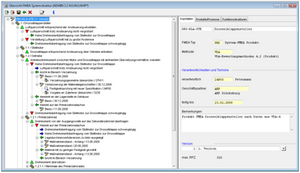 Erfassung und Darstellung aller Elemente und Teilaspekte des Gesamtsystems in einer Maske
- Zerlegung in Teilkomponenten in beliebiger Tiefe möglich
- Wiederverwendung von Teilkomponenten als Bau-steine mit Such- und Kopierfunktionen
- Einfaches und schnelles Durchspielen verschiedener Varianten dank Versionskonzept
)
Erstellung von Funktions- und Fehlerstruktur
- Erstellung der Strukturen mit Funktionen einer grafischen Oberfläche
- Anlegen verschiedener Funktions- und Fehlerstrukturen für unterschiedliche Aspekte des Gesamtsystems
- Automatische Fortschreibung von Fehlerfolgen und -ursachen für eine maximale Datenkonsistenz
- Definition der Merkmale inkl. der zugehörigen Spezifikation
Risikoanalyse
- Bewertung der Bedeutung der Fehlerfolgen sowie der Entdeckungs- und Auftretenswahrscheinlichkeit der Fehlerursachen
- Standard-Bewertung mit Risikoprioritätszahlen
Fehlerbaumanalsyse
- Als Alternative zur Bestimmung der kritischen Fehler aus den minimalen Schnittmengen sowie zur Abschätzung der Ausfallsicherheit des Gesamtsystems
Optimierung kritischer Fehler
- Vollständige Übersicht über alle durchgeführten Optimierungen
- Definition von Entdeckungs- bzw. Vermeidungsmaßnahmen, mit der Möglichkeit diese über iQ-PROJEKTE in die Standardmaßnahmen-verfolgung einzubetten.
Erarbeitetes Wissen wiederverwenden
- Systemelemente mit Komponenten lassen sich als Bausteine für weitere FMEA verwenden.
- Zu Fehlern und Ursachen können Kataloge aufgebaut werden, um eine einfachere Erfassung und bessere Vergleichbarkeit zu erreichen.
Weitere Funktionen
 Erfassung der Kosten und Aufwände - z. B. zu den Sitzungen
- Definition und Abarbeitung von Checklisten
)
Dokumentation
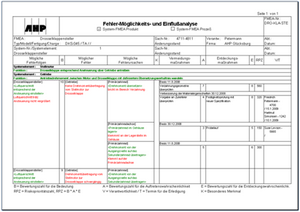
- Formblatt entsprechend VDA 4, wahlweise mit kompletter Optimierungshistorie
- Ergebnisse der Fehlerbaumanalyse
Auswertungen
- Paretoanalyse RPZ - entlang der Fehlerursache
- Paretoanalyse RPZ - Häufigkeitsverteilung
Schnittstellen zu anderen Modulen
- iQ-PROJEKTE zur Planung und Überwachung der Aktivitäten einer FMEA und zur Maßnahmenverfolgung
- iQ-GL zur zentralen Pflege der in allen Modulen relevanten Stammdaten
- iQ-DOKU zur Ablage und Verwaltung ergänzender Dokumente
- iQ-QMS zum Verweis auf eine FMEA aus einer Qualitätsmeldung mit "Verursacher selbst"
- iQ-APQP, um Merkmale der FMEA direkt in die Prüfmerkmale eines Kontrollplanes zu übernehmen
- iQ-INFO für - beispielsweise mit Crystal Reports - selbst erstellte Auswertungen